What is A3 Wood Pulp Paper and Its Uses?
A3 Wood Pulp Paper plays a vital role in the paper industry. It is known for its versatility and eco-friendly properties. Industry expert, Dr. Emily Chen, states, "A3 Wood Pulp Paper is essential for sustainable printing." This highlights its importance in both commercial and environmental contexts.
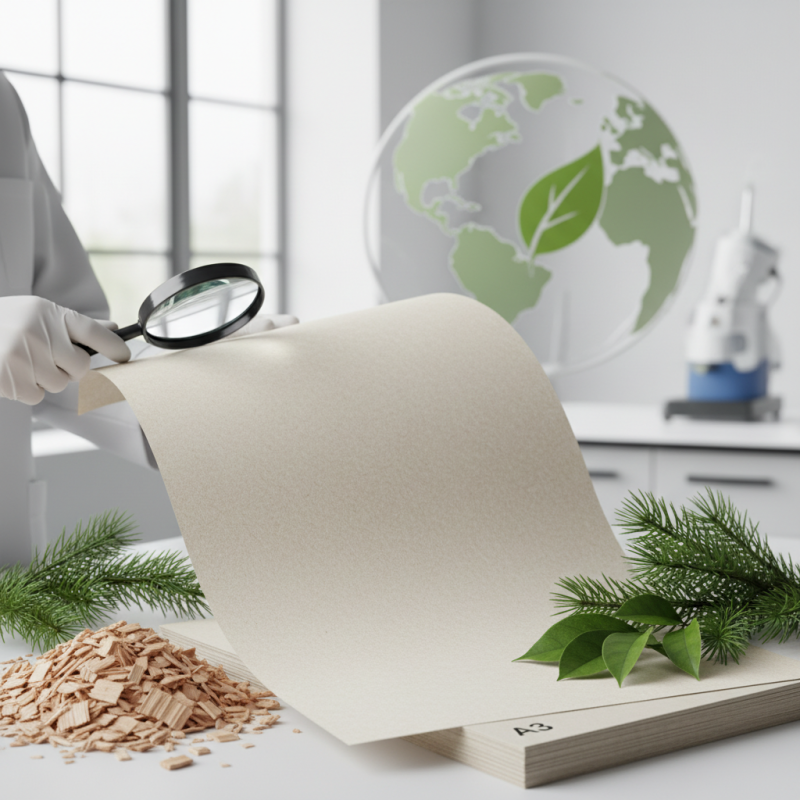
A3 Wood Pulp Paper is primarily made from wood fibers. This natural source gives it durability and strength. It is widely used in printing, packaging, and stationery. Many people overlook its impact on reducing waste. However, its sustainable production methods are worth discussing.
Despite its benefits, there are challenges in the industry. Not all production methods are equally eco-friendly. Some processes generate significant waste. Reflecting on these issues is crucial for future improvements. A3 Wood Pulp Paper shows great potential but requires ongoing evaluation.
Overview of A3 Wood Pulp Paper and Its Characteristics
A3 wood pulp paper is a popular choice for various applications. This type of paper is made from wood pulp, which is sourced from trees. The process of converting wood into pulp is quite intricate. The quality of the pulp influences the final product. A3 paper is recognized for its smooth texture and consistent finish.
Its characteristics make A3 wood pulp paper ideal for printing. It absorbs ink well, ensuring vibrant colors on the page. The thickness gives it durability. Many artists and designers prefer it for their creations. It stands up to various media, including watercolor and markers. However, using it for charcoal can leave smudges. So, testing different applications first is wise.
Tips: Always handle A3 paper with clean hands to avoid fingerprints. Consider storing it flat to prevent curling. If you are unsure about a specific use, experiment with smaller sheets. This will save resources and yield better results. A3 wood pulp paper offers versatility, but not every application will yield perfection. It's important to learn from each project.
The Production Process of A3 Wood Pulp Paper
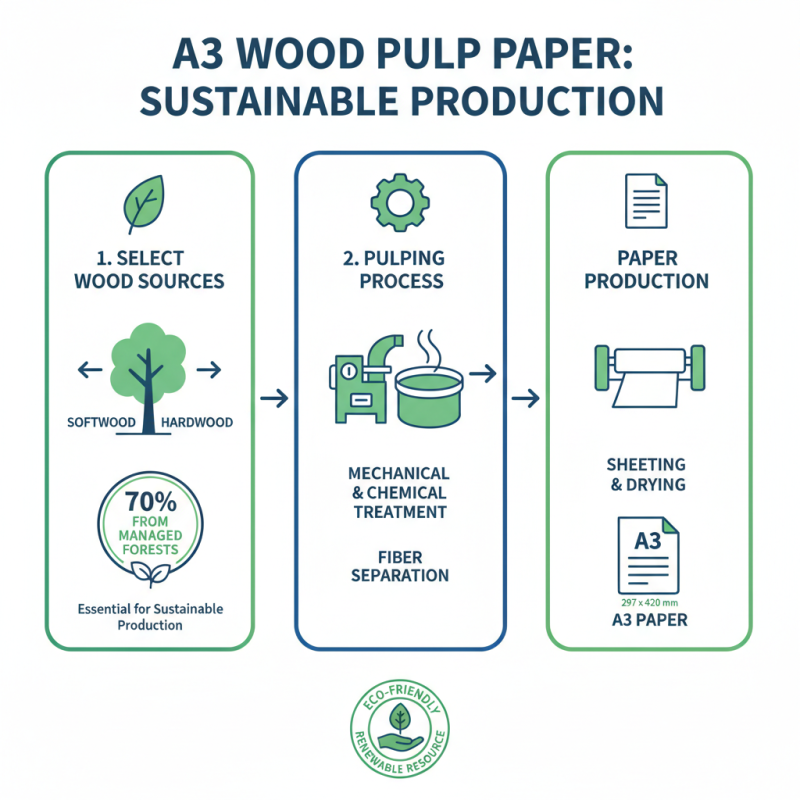
The production process of A3 wood pulp paper begins with selecting quality wood sources. Typically, softwood and hardwood are preferred for their fiber characteristics. Around 70% of global wood pulp comes from managed forests. These forests are essential for sustainable production.
Once the wood is harvested, it undergoes chipping. The chips are then subjected to chemical or mechanical treatments. Chemical methods, like the kraft process, dissolve lignin, yielding a cleaner product. Surprisingly, this process consumes a significant amount of energy. Industry reports indicate that energy use can exceed 2000 kWh per ton of pulp.
After pulping, the mixture is bleached to achieve desired whiteness. Environmental impact becomes critical here. Bleaching agents must be managed carefully to minimize pollution. Finally, the pulp is dried and converted into paper sheets. Yet, challenges remain in ensuring the efficiency of water usage and waste reduction during production. The industry continues to seek improvements, as only 30% of production facilities currently use closed-loop water systems.
Common Applications of A3 Wood Pulp Paper
A3 wood pulp paper is widely recognized for its versatility. It serves various purposes across multiple industries. For instance, in the publishing sector, this paper is often used for brochures and magazines. Reports indicate that the demand for high-quality paper in print media continues to rise, with projections suggesting an increase of 3% annually until 2025.
Packaging is another major application of A3 wood pulp paper. Sustainability trends drive companies toward eco-friendly packaging solutions. Statistics reveal that around 70% of consumers prefer products with eco-conscious packaging. Thus, using A3 wood pulp paper not only meets this preference but also aligns with environmental goals.
Moreover, educational institutions utilize A3 wood pulp paper for printing exercises and handouts. Schools appreciate its durability and ease of use. However, many institutions still grapple with sourcing and budget constraints. Up to 40% of schools report challenges in acquiring quality paper supplies. These factors highlight a need for innovative solutions in the supply chain.
What is A3 Wood Pulp Paper and Its Uses? - Common Applications of A3 Wood Pulp Paper
| Application |
Description |
Benefits |
| Printing |
Used for high-quality printing of documents and images. |
Excellent color reproduction and sharp text. |
| Notebooks |
Commonly used as pages in notebooks and journals. |
Smooth surface for easy writing and note-taking. |
| Packaging |
Utilized in creating boxes and packaging materials. |
Eco-friendly options that are strong and durable. |
| Art Papers |
Suitable for artists' papers for drawing and painting. |
High absorbency and texture for various media. |
| Stationery |
Used for producing letters, cards, and other printed materials. |
Professional appearance with a variety of finishes. |
Advantages of Using A3 Wood Pulp Paper in Various Industries
A3 wood pulp paper has gained significant traction across various industries due to its unique properties. Its lightweight nature makes it ideal for printing and packaging. It provides excellent print quality and is often favored for publications, brochures, and educational materials. According to recent industry reports, the demand for wood pulp paper has grown by 4% annually, reflecting its versatility.
Using A3 wood pulp paper offers several advantages. For instance, it is eco-friendly and often made from sustainably sourced wood. This appeals to companies focusing on reducing their carbon footprint. Furthermore, wood pulp paper is generally more cost-effective than alternative materials. Reports indicate that businesses can save up to 20% on packaging costs by switching to wood pulp products.
Tip: Always consider the weight and thickness of the paper for your specific project. Too thick can lead to increased shipping costs. Also, remember to check the sourcing practices of your paper supplier. It's essential to ensure responsible forestry is used in production. Using A3 wood pulp paper might seem straightforward, but companies should evaluate the long-term effects of their choices. Reducing paper waste remains a concern, even in recycling initiatives.
Advantages of A3 Wood Pulp Paper in Various Industries
Environmental Impact and Sustainability of A3 Wood Pulp Paper
A3 wood pulp paper is widely used in various applications, but its environmental impact raises concerns. The production process involves significant tree harvesting. This can disrupt ecosystems, leading to biodiversity loss. Many forests are cut down, which affects wildlife habitats.
While A3 wood pulp paper is recyclable, the recycling rate is not ideal. Often, used paper ends up in landfills. The chemicals used in pulping can also pollute waterways. These issues challenge the sustainability claims of the industry.
Moreover, there are alternatives like recycled paper and plant-based materials. These options may help alleviate some environmental strain. However, transitioning entirely to sustainable practices is a complex process. Continuous innovation is needed to reduce the negative impacts. It is crucial to reflect on our choices as consumers.