2026 Top Inkjet Paper for Global Buyers Best Options?
As the demand for high-quality printing increases, selecting the right inkjet paper becomes crucial for both professionals and enthusiasts. Inkjet paper is designed to absorb ink effectively, ensuring vibrant colors and sharp details. But, with so many options on the market, making a choice can be overwhelming.
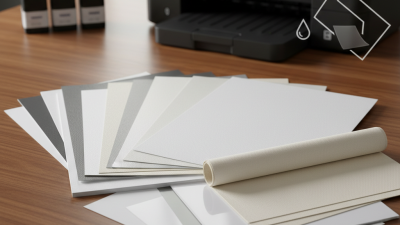
Understanding the specific needs for your projects is essential. Different types of inkjet paper serve various purposes. Photo paper delivers stunning visuals, while multipurpose paper is ideal for everyday documents. Readers often overlook the significance of paper weight and finish. These factors can dramatically impact print quality and overall satisfaction.
While several products claim to be the best, user experiences vary widely. Some prefer glossy finishes for striking images, while others might choose matte for a professional look. The debate continues, leaving buyers to reflect on their choices. Exploring the top options for 2026 may help clarify the best inkjet paper for your needs and ensure that every print is a success.
Overview of Inkjet Paper Types and Their Characteristics
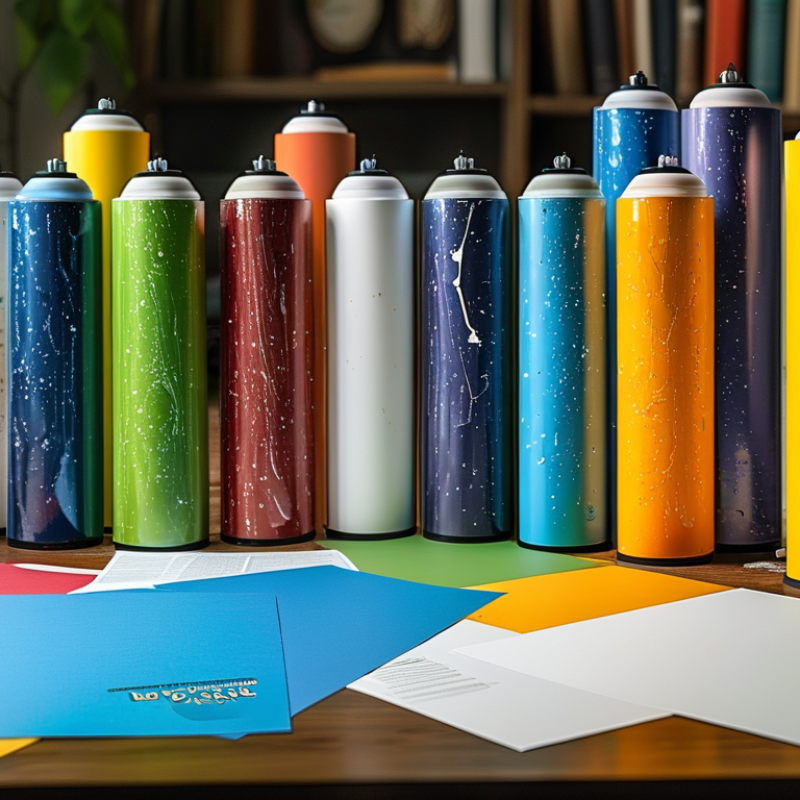
When selecting inkjet paper, understanding the types available is crucial. Different papers offer unique characteristics that impact print quality and finish. For instance, glossy paper provides vibrant colors and sharp images, making it ideal for photographs. However, it may not be the best choice for text-heavy documents, as reflections can hinder readability.
Matte paper is another popular option. It has a non-reflective surface, which enhances text clarity. This type is favored for brochures and reports. Additionally, the texture can add a professional touch to printed materials. It's worth noting that matte finishes may absorb ink differently, leading to variations in color saturation.
There are challenges in choosing the right paper. Some users find that colors do not appear as expected. Variability in ink absorption can lead to unexpected results. Testing different paper types before large print runs can save time and resources. Ultimately, understanding these characteristics enables buyers to choose the best inkjet paper for their specific needs.
Factors Influencing the Selection of Inkjet Paper for Printing
Selecting the right inkjet paper is crucial for achieving print quality. Several factors affect this decision. Paper weight, texture, and finish are among the most important aspects. Heavier paper typically gives richer colors and sharper images. The texture can enhance or detract from detail in prints. Smooth finishes are ideal for images, while textured surfaces can add dimension.
Tips: Consider your printer's specifications when choosing paper. Some printers work better with specific types of paper. Testing different papers on small print jobs can help you make informed choices.
Additionally, environmental considerations matter. Recycled papers are available but may yield varied print results. You might find that eco-friendly options don't perform equally to traditional papers. The cost also plays a role. Some buyers may hesitate to invest in high-quality papers, leading to regrets later on.
Tips: Always check reviews and feedback from other users. This can provide insights into performance and durability. Remember, the right paper can make a significant difference in your final output.
Top Inkjet Paper Brands and Their Global Availability
The global inkjet paper market is diverse and evolving. Research shows that the inkjet paper segment is projected to grow at a compound annual growth rate (CAGR) of 3.8% from 2021 to 2026. This statistic highlights the increasing demand for high-quality inkjet printing solutions among consumers and businesses alike. Understanding market trends is essential for buyers to make informed decisions.
Different regions have varying preferences for inkjet paper types. In North America, for example, users often prioritize fast-drying and bleed-resistant papers for professional use. Europe tends to favor eco-friendly options, reflecting a growing commitment to sustainability. Meanwhile, Asia-Pacific presents an opportunity for innovative products tailored to diverse printing needs. According to industry reports, these regional preferences underscore the importance of availability and adaptability in inkjet paper brands.
While many products claim to offer high-quality results, not all live up to expectations. Factors like thickness, finish, and compatibility with various ink types can impact performance. Consumers frequently face challenges finding suitable options. This indicates a need for more education on choosing the right paper, depending on the specific printing tasks. Exploring local suppliers and specialty stores often yields better choices than relying solely on online platforms.
Comparative Analysis of Cost and Quality Among Leading Inkjet Papers
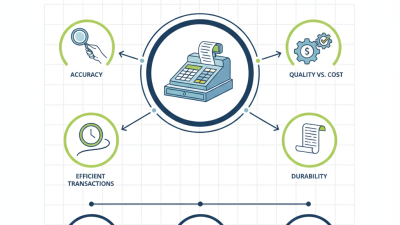
When it comes to selecting the right inkjet paper, cost and quality are key factors for buyers. Many options exist, yet not all deliver optimal results. Price does not always equate to performance. Some affordable choices underperform, yielding subpar prints. Meanwhile, higher-priced paper may offer superior quality in print and finish. Buyers need to evaluate each product carefully.
The texture and weight of the paper greatly influence print quality. Heavier papers tend to hold ink better and resist bleeding. Additionally, the brightness of the paper affects color vibrancy. A dull surface might dull the prints. Testing various types can reveal surprising differences that impact the final product. Buyers often overlook these subtleties in their selection process.
Moreover, there's often a trade-off between cost and ecological impact. Some papers may be cheaper but sourced unsustainably. This could lead to long-term costs for the environment. Taking time to research and compare options can improve both the quality of prints and the paper's sustainability. Reflecting on these elements helps buyers make informed choices in their investments.
2026 Top Inkjet Paper for Global Buyers Best Options?
| Paper Type |
Weight (GSM) |
Brightness (%) |
Cost per Sheet ($) |
Finish Type |
Ink Compatibility |
| Standard Matte |
90 |
92 |
0.10 |
Matte |
Dye and Pigment |
| Premium Glossy |
200 |
98 |
0.25 |
Glossy |
Dye |
| Fine Art Paper |
310 |
100 |
0.50 |
Textured |
Pigment |
| Photo Paper |
250 |
97 |
0.20 |
Satin |
Dye and Pigment |
| Everyday Printing |
75 |
85 |
0.05 |
Matte |
Dye |
User Reviews and Recommendations for Best Inkjet Paper Choices
When it comes to choosing inkjet paper, user reviews play a critical role. These insights often highlight paper quality, compatibility, and print longevity. Research from various industry reports indicates that users prioritize brightness and weight in their purchases. Approximately 70% of customers prefer paper that offers vibrant color reproduction. This choice significantly affects print outcomes, making brightness a key factor.
Common recommendations suggest a weight of 24 lb for standard printing tasks. Users note that this weight strikes a balance between quality and cost. Many also mention the importance of paper texture. A smooth finish tends to enhance image details, leading to sharper prints. However, some users express concerns about varying quality among different batches. This inconsistency can lead to frustration.
Another critical aspect is the environmental impact of paper choices. Reports show that 40% of consumers now consider sustainability in their decisions. Buyers are more inclined to select recycled options, but they note trade-offs in print quality. While eco-friendly products are desirable, some users find them less reliable for high-resolution images. Careful evaluation of user feedback helps navigate these complexities in choosing the best inkjet paper available.
2026 Top Inkjet Paper for Global Buyers: Best Options